




I was recently invited to present and participate in a British Sociological Association (BSA) workshop organized by the Early Career Researchers (ECRs) Study Group conveners, Dr Katherine Twamley and Dr Mark Doidge. The title ofContinue reading
Tag: higher education
GEA 2013: Compelling Diversities, Educational Intersections: Policy, Practice, Parity
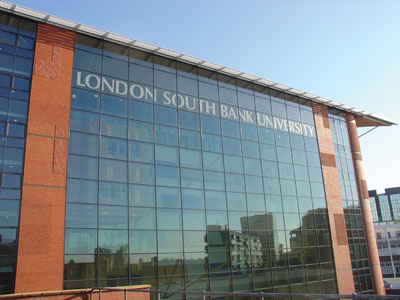
Gender and Education Association Biennial Conference 2013 Weeks Centre for Social and Policy Research, London South Bank University Tuesday 23rd– Friday 26th April 2013 Confirmed keynote speakers: – Prof. Lisa Adkins, University of Newcastle,Continue reading
Is university life becoming more sexist?
Undergraduate students at Cardiff University are gearing up to discuss whether life at university is becoming more sexist. As part of this Emily Parnell, an undergraduate student, reflects on Carnage UK: Pimps ‘n’ Hoes ShareContinue reading
Care, the elephant in the (class)room?
Historically, in the UK and other European countries, the figures of the learner and the scholar have been associated with being care-free (i.e. with having no primary responsibility for dependents). These days, universities have considerablyContinue reading
Trying to Triumph? Academic Cares and Capacities
Triumphs: Story 1 She’s just won a prestigious prize (at a prestigious conference): praise was rightfully delivered and she basked it the glory, in the surprise that seemed to say she’d arrived in academia (earlyContinue reading
Compelling Diversities, Educational Intersections: Policy, Practice, Parity
The Gender and Education Association would like to announce that the ninth international Gender and Education conference will be held at London South Bank University from Tuesday 23rd – Friday 26th April 2013. Share on FacebookContinue reading
Difficult Intersections
On 3rd Feb. 2012 the Weeks Centre for Social and Policy Research (LSBU) held a BSA Families and Relationship study group day conference ‘Intersecting Family Lives, Locales and Labours’. Plenary talks by Professor Diane Reay andContinue reading
Girl guiding survey reports austerity impacting on UK girls’ education and career aspirations
The 2011 Girls’ Attitudes Survey by the Girl Guides has reported that financial uncertainty is shaping girls’ and young women’s career and academic aspirations. Share on Facebook Tweet about it Subscribe to the comments onContinue reading
Similarities and differences in collegiality / managerialism in Irish and Australian universities
This article developed from collaboration between the authors in late 2008 when Kate was a visiting researcher at the University of Limerick, funded by the Irish Research Council for the Humanities and Social Sciences. AtContinue reading
Girls, Graduate Jobs and the Gender Chasm
Reports from across the world last week were claiming that we are no longer facing a gender gap but rather a gender chasm. Drawing on a new ‘gender gap’report these articles claim that even thoughContinue reading
